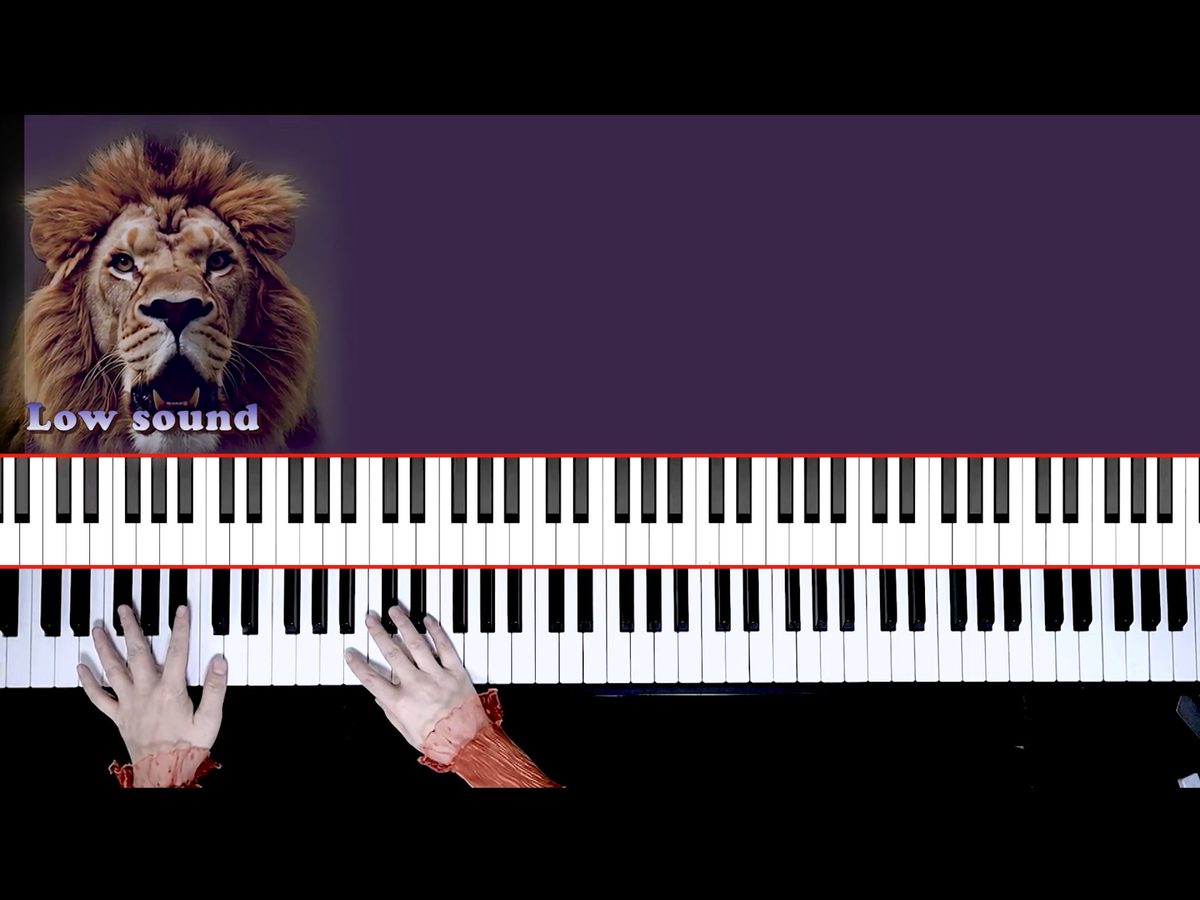
Watch
Gima teaches the lesson on video, one small step at a time.

Designed for young beginners ages 6–9, with a gentle 4+ starting path.
Gima teaches your child step by step. After they play, you’ll see a clear practice report showing what went well, what needs work, and which clip to review next.
Watch → Play → Get your first practice report
“Every single student has passed their ABRSM exam. That record speaks louder than any ad we could write.”— Gima, Founder & Lead Instructor
Watch → Play → Know what’s next
Most online piano lessons stop after the video. Gima’s Piano continues after your child plays — with a parent-friendly practice report that shows what went well, what needs work, and the exact lesson clip to review next.
Try the Free LessonFree · No card needed · See your first report today
Gima teaches the lesson on video, one small step at a time.
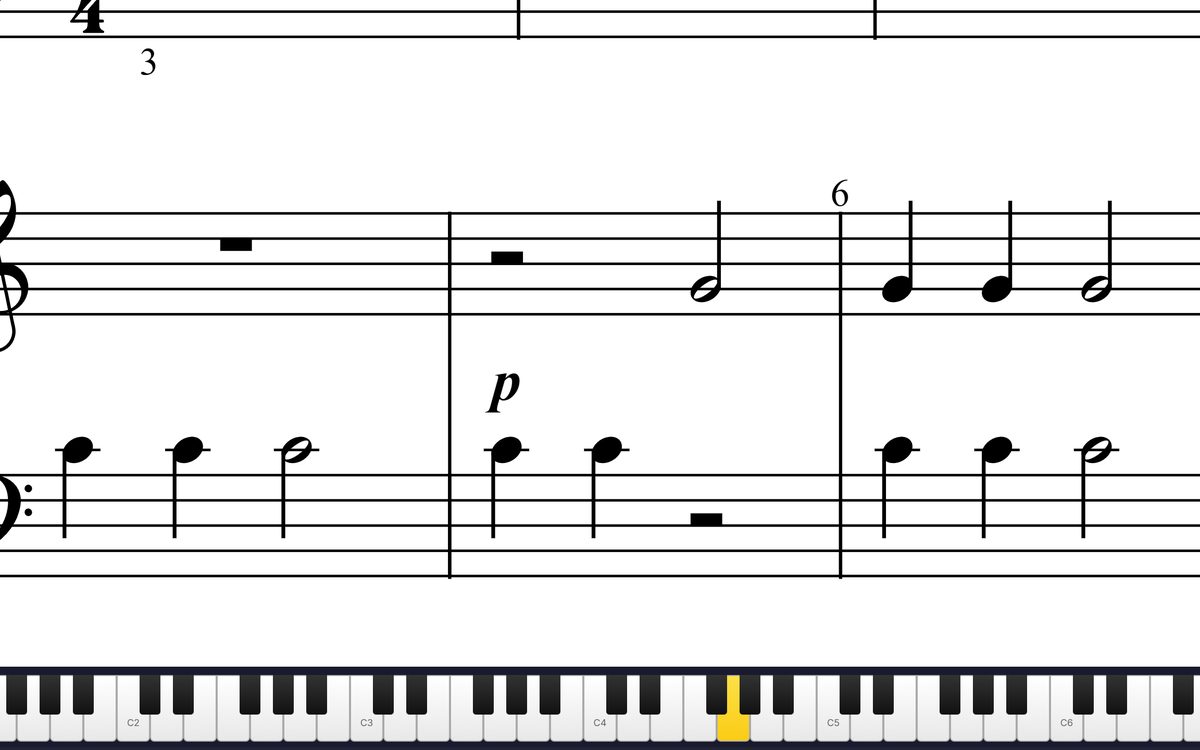
Your child plays the piece on the piano or keyboard at home.
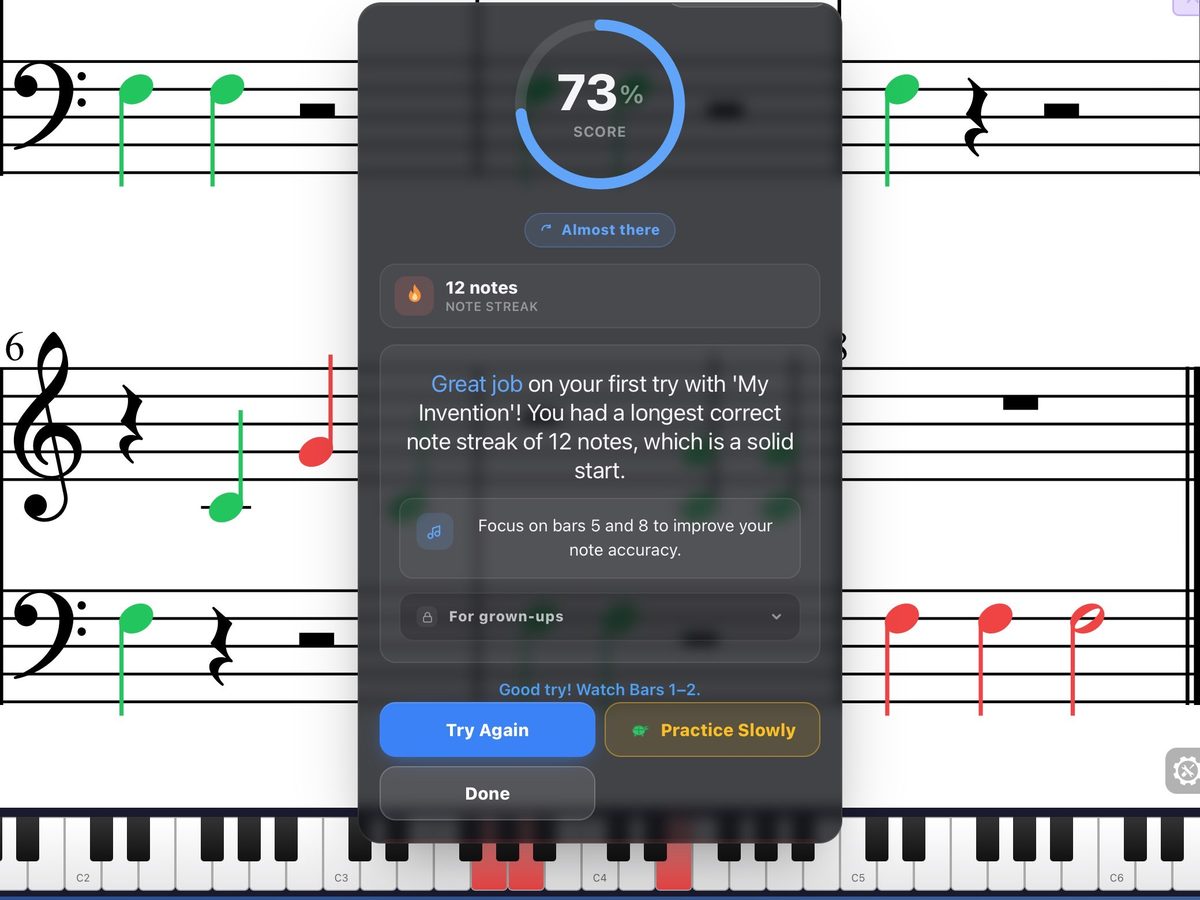
You see a practice report: what went well and what needs work.
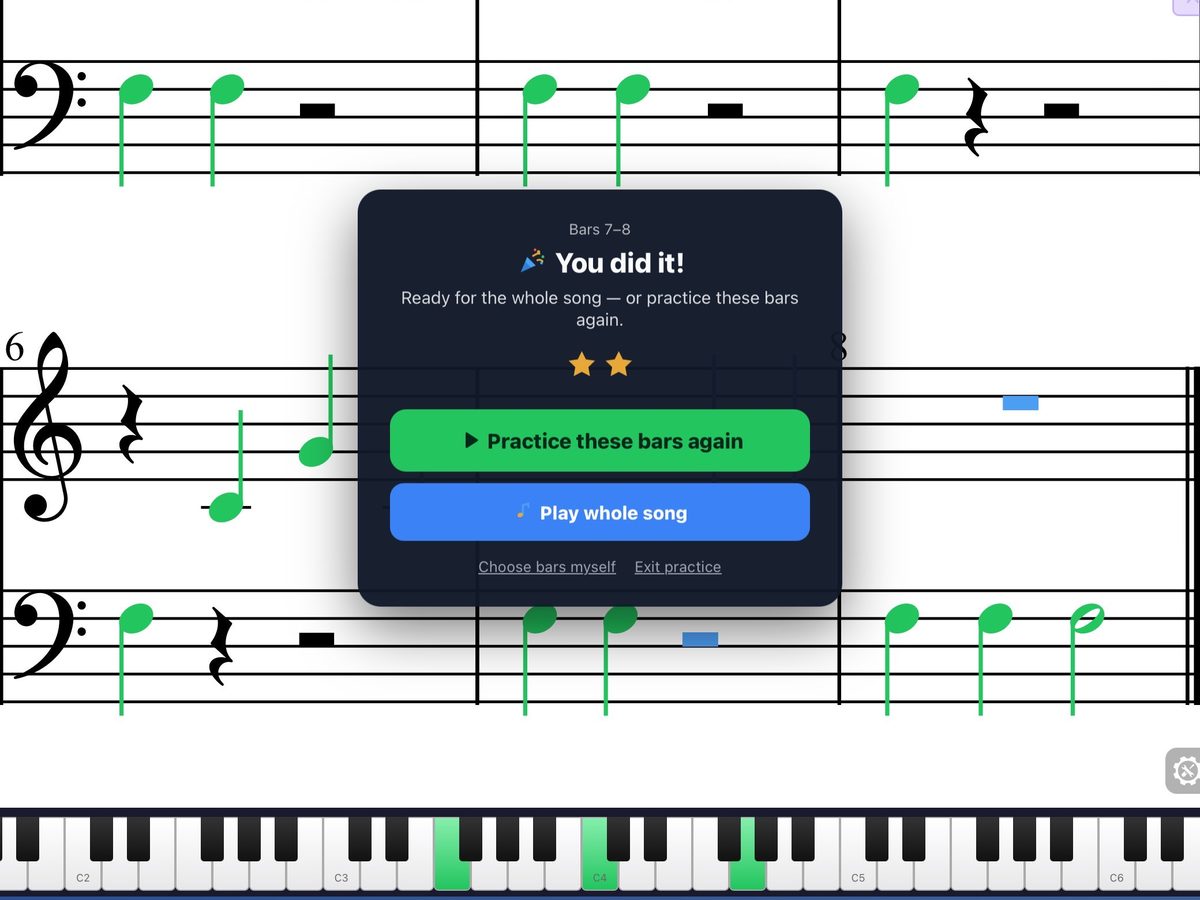
Open the recommended clip and practice the one thing that matters this week.
Student journeys
5 students, 5 journeys. Each one starts at the very first lesson.
Curriculum
 My First Piano Adventure
Preview lesson →
02
My First Piano Adventure
Preview lesson →
02
 Primer
Preview lesson →
03
Primer
Preview lesson →
03
 Level 1
Preview lesson →
04
Level 1
Preview lesson →
04
 2A
Preview lesson →
05
2A
Preview lesson →
05
 2B
Preview lesson →
06
2B
Preview lesson →
06
 3A
Preview lesson →
07
3A
Preview lesson →
07
 3B
Preview lesson →
3B
Preview lesson →
 Level 4
Coming soon
Level 4
Coming soon Level 5
Coming soon
Level 5
Coming soon
Each course is used alongside the official Faber Piano Adventures book for your child’s level — the same books required by every qualified piano teacher. Your placement result tells you exactly which one to buy.
Learn moreWhy Gima’s Piano
Structured levels that build on each other — every lesson has a clear purpose and a visible next step.
After your child plays, you’ll see what went well, what needs work, and which clip to review next — so you’re never guessing how to help.
Every student who has taken the ABRSM exam through this program has passed — 100%, over 25 years.
Full access to lessons, quizzes, and practice tools — whenever it fits your family’s schedule.
Our students


Meet your teacher
Gima is a qualified piano teacher and music educator with over 25 years of experience helping children aged 4–18 build strong musical foundations — and a genuine love of music. Trained in classical and jazz piano across Mongolia, Russia, and the United States, she has prepared hundreds of students for ABRSM exams with a 100% pass rate — no unsuccessful results in her entire teaching career.
Every lesson in this program is designed personally by Gima — built on the trusted Piano Adventures method and refined over decades of teaching real students. Every video, notation, and exercise is created and edited by her. Not outsourced, not generated.
Let your child play Best Friends and see the first practice report. No commitment required.
Free · No card needed · No app to install
Free printable
Print it, color a star each day, and always know what to practice next. Free — no account needed.
Get the free practice chartMembership
Membership includes structured lessons, quizzes, performance activities, progress tracking, and practice reports that show what to work on next. Start with a free lesson, then continue with the founding family offer.
Choose monthly or annual — watch lessons as many times as you like, track progress, and move through levels at your own pace.
Questions
Children can begin as early as 4–5 years old, as long as they're ready to listen, explore, and enjoy music.
Yes — a piano or keyboard is essential for practice. Even a simple keyboard is enough to begin beautifully.
Each lesson is carefully designed to feel like a real class — with guidance, imagination, and structure that helps children truly understand music, not just play notes.
After your child completes a lesson or performance activity, Gima's Piano shows a practice report with what went well, what to practice next, and the recommended clip to review. You don't need to be a piano teacher — the report helps you know how to support practice at home. Read the signs your child is improving at piano →


